

Wedding Thank You Wording That Feels Warm, Not Generic
Here’s a note you can send today: “Dear Aunt Carol, Thank you so much for the beautiful serving platter. We can’t wait to use it for our first holiday dinner as a married couple. Your love and support mean the world to us. With so much love, Sarah and Mike.” That’s it. That’s the whole formula in action.
Every great wedding thank-you note follows the same five-line skeleton:
- A warm greeting using the guest’s name
- Specific thanks naming the actual gift
- A line about how you’ll use it or what it means to you
- One personal touch or memory
- A warm, sincere close
Send it within about three months of your wedding or the day you received the gift, and you’re covering the etiquette basics without overthinking it.
Key Takeaways
The strongest wedding thank-you notes follow a five-part structure, avoid mentioning cash amounts, and go out within three months of the wedding.
| Point | Details |
|---|---|
| Use the five-part structure | Greeting, specific thanks, usage/meaning, personal line, and warm close cover every note. |
| Never state dollar amounts | Describe how you’ll use cash gifts instead, per Emily Post’s guidance. |
| Send notes within three months | Vendors need notes within two weeks of the wedding or one week post-honeymoon. |
| Batch your writing | Five to ten notes per evening prevents burnout and keeps wording personal. |
| Speed addressing with stamps | Invitationbox embossers and stampers cut envelope time so writing gets your full attention. |
Table of Contents
- Wedding Thank You Wording: The Structure Behind Every Great Note
- Wedding Thank You Card Wording for Every Situation
- Making Wedding Thank You Notes Feel Personal, Not Rushed
- Who Gets a Note and When to Send It
- Where This Wedding Thank You Card Advice Comes From
- The Overrated Advice: Perfection Over Progress
- Speed Up Your Thank You Cards With the Right Stamps and Cards
- Sources
Wedding Thank You Wording: The Structure Behind Every Great Note
The five-part structure above isn’t just a template. It’s the reason some notes feel like a form letter and others feel like they were written just for the reader. Here’s how each piece works.
The greeting sets the tone immediately. “Dear Aunt Carol” reads differently than “Dear Carol and Jim,” so match the greeting to how you’d actually address that person in conversation.
The specific thanks is where most people go wrong by writing “thank you for the gift” instead of naming it. Say “the KitchenAid mixer” or “your generous check,” not a vague gesture toward generosity.
The usage or meaning line turns a transaction into a story. If it’s cash, etiquette guidance from Emily Post recommends skipping the dollar amount entirely and instead describing what the money will fund: a honeymoon activity, a piece of furniture, a down payment on your first home together.
The personal line is your one chance to prove this note isn’t copy-paste. Reference something from the wedding day, a shared memory, or an inside joke.
The close should match your relationship with the recipient. “With love” works for family. “Warmly” or “With gratitude” suits colleagues or more distant relatives.
- Draft the greeting and specific thanks together, since they’re both gift-dependent.
- Add the usage or meaning line using your gift tracking notes.
- Insert one personal detail specific to that guest.
- Close and sign.
- Address the envelope while the card is fresh in your mind.
On tone: a formal note to your boss might read “We are so grateful for your generosity,” while a note to your college roommate can say “You didn’t have to do that, but I’m so glad you did.” Both follow the same structure with different word choices.
Signing matters more than couples expect. Both partners should sign whenever possible, even if only one person wrote the note. If your partner truly can’t participate in the writing process, a single signature with “and [partner’s name]” added is acceptable, though not ideal for closer relationships.

Pro Tip: Batch your notes in groups of five to ten per evening instead of attempting the whole stack in one sitting. Couples who write in batches report far less burnout, and the notes stay noticeably more personal than ones rushed out in a single marathon session.
Keep a simple spreadsheet with columns for guest name, gift, date received, and date the note was sent. This catches late gifts (wedding presents can arrive weeks after the event) and prevents the awkward mix-up of thanking someone twice or missing them entirely.
Wedding Thank You Card Wording for Every Situation
Different gifts call for different language, and the sections below give you copy-ready starting points for the situations that come up most.
Cash and monetary gifts
Never mention the exact figure. Reference the purpose instead.
- “Thank you for your generous gift. We’re putting it toward our honeymoon in Portugal, and we’ll be thinking of you as we explore.”
- “Your generosity means so much to us. We’re using it to furnish our first apartment together.”
- “We’re so grateful for your gift. It’s going straight into our home fund, and we can’t wait to show you the place someday.”
Gift cards
- “Thank you for the gift card to Williams Sonoma. We’ve already picked out new dishes we can’t wait to use.”
- “We loved the Home Depot gift card. It’s going toward the paint colors for our new living room.”
Registry items
- “Thank you for the KitchenAid stand mixer. We registered for it hoping to bake together on weekends, and now we finally can.”
- “The set of linen towels is gorgeous, and they’re already in our bathroom. Thank you for choosing something so perfect.”
Off-registry or surprise gifts
- “We were so surprised and touched by the hand-painted vase. It’s sitting on our mantle and it’s the first thing guests notice.”
- “Thank you for the family recipe book. It means more to us than anything on our registry could.”
Guests who traveled
- “Thank you for making the trip from Chicago. Having you there made the day feel complete, and the gift you brought is a beautiful reminder of it.”
Guests who attended without a gift
Attendance itself is a gift, and etiquette experts confirm these guests still deserve a note.
- “Thank you for being there on our wedding day. Having you in the room meant everything, and we’re so glad we got to celebrate together.”
Bridal party members
- “Thank you for standing beside me on the biggest day of my life. Your friendship carried me through months of planning, and I’ll never forget it.”
Parents and hosts
- “Thank you for everything you did to make our wedding possible. From the rehearsal dinner to the countless phone calls, we couldn’t have done this without you.”
Vendors who went above and beyond
- “Thank you for capturing our day so beautifully. Your creativity and calm energy made everything feel effortless.”
Late or forgotten gifts
Don’t apologize excessively or draw attention to the delay. A simple, warm note works.
- “Thank you for the beautiful picture frame. We just unwrapped it and it’s already sitting on our bookshelf. We’re so grateful.”
Group gifts
When several people contribute to one gift, send a single note and address it to the group, or list names if the group is small enough.
- “Thank you all for the espresso machine. We use it every single morning, and we think of our friend group every time.”
For larger group gestures, like a class of coworkers pooling money, a hybrid approach works well: send a quick emailed photo of you using the gift alongside the mailed card.
Text or email versus handwritten
A quick text or email is fine for acknowledging receipt right away, especially for a far-flung guest wondering if their gift arrived. It is never a substitute for the handwritten note itself. Etiquette experts are clear that pre-printed or fill-in-the-blank cards don’t meet the bar either. The handwritten, specific note is what guests remember.
Making Wedding Thank You Notes Feel Personal, Not Rushed
Three small moves separate a forgettable note from one your guests keep. First, name the actual gift instead of a vague placeholder. Second, add one detail specific to that guest: a memory from the wedding, a shared joke, something only they would recognize. Third, when it’s cash, tie it to a real plan rather than acknowledging it in the abstract.
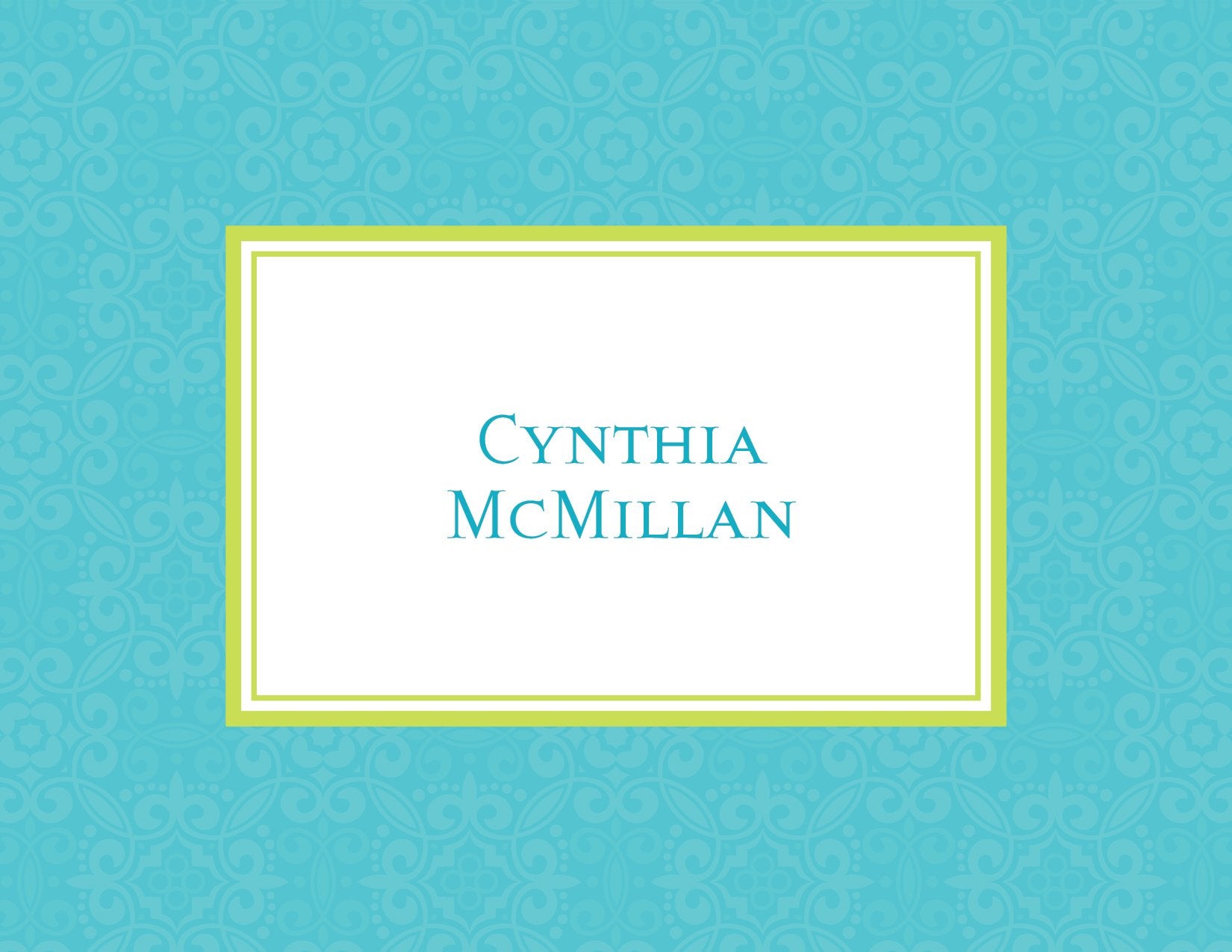
Keep a “swap list” next to your notes with three things for each guest: the exact gift name, one memory prompt, and how you’ll use it. Dropping those three details into the five-part structure keeps every note distinct even on your fiftieth card of the night.
Stationery choices matter too, mostly in how they affect your timeline. Photo cards look wonderful, but a wedding photo often takes weeks to arrive from your photographer. If you don’t want to delay mailing, use an engagement photo or another pre-wedding image instead. The same goes for monograms: hold off on a married monogram until after the ceremony, since using it too early can look presumptuous and slow down your card order.
- Use a photo card only if the photo is ready now, not “ready soon.”
- Save the married monogram for save-the-dates and future stationery, not the thank-you round.
- Choose flat or folded cards with a coordinated stamp for the fastest turnaround.
Pro Tip: A personalized embosser or self-inking stamp does double duty. Use it to imprint your return address on every envelope quickly, which shaves real time off addressing a large number of cards by hand. For photo inspiration that photographs well on a thank-you card, browse creative wedding photo ideas before your big day so you have options ready.
Who Gets a Note and When to Send It
Not every guest requires the same treatment, but the rule of thumb is simple: if someone gave a gift, hosted an event, traveled to be there, or provided a service that exceeded expectations, they get a handwritten note.
- Anyone who gave an engagement, shower, or wedding gift
- Guests who attended without bringing a gift (attendance itself warrants thanks)
- Parents, family members, or friends who hosted or funded part of the celebration
- Vendors whose work stood out, like a photographer or florist
On timing, the three-month guideline from Emily Post is the standard for guest gifts. Gifts that arrive before the wedding deserve a faster turnaround, ideally within two weeks of receiving them, so the sender isn’t left wondering if the package got lost. Vendors deserve the quickest response of all: within two weeks of the wedding, or within one week of returning from your honeymoon.
The two mistakes that show up most often: sending a pre-printed, fill-in-the-blank card instead of a handwritten one, and mentioning a specific dollar amount in writing. Both are easy to avoid once you know the etiquette rule.
Where This Wedding Thank You Card Advice Comes From
This guide comes from Jon at Invitationbox, who works directly with couples on invitation and thank-you wording as part of the company’s stationery design process. That day-to-day experience with real orders, not just theory, shapes the templates above.
- Invitationbox has specialized in personalized stationery for more than 19 years
- Its proprietary Snap Stamp system is used across custom embossers and self-inking stamps
- Timeline and etiquette rules throughout this guide are grounded in established authorities
Send a note to anyone who gave an engagement, shower, or wedding gift, and don’t skip guests who attended without a gift. Emily Post’s guidance treats attendance itself as worth acknowledging, which is easy to forget when you’re focused on the gift table.
For more on matching your thank-you wording to your invitation suite, see wedding invitation wording and etiquette.
The Overrated Advice: Perfection Over Progress
Most guides treat thank-you notes like a test you can fail, obsessing over the “perfect” opening line or agonizing over whether a sentence sounds too casual. That anxiety is what causes couples to sit on their gift list for six months, which is the actual etiquette failure. A slightly imperfect note sent in week three beats a beautifully worded one sent in month five.
The conventional wisdom oversells wording and undersells workflow. Structure and batching matter more than finding the cleverest phrase for “thank you.” Once you have the five-part skeleton down, writing eighty notes becomes a matter of endurance, not creativity.
If I had to prioritize one thing for couples starting this process, it’s the tracking spreadsheet. Not the wording, not the card stock, not the monogram. Know what you received, from whom, and when you sent the acknowledgment. Everything else, including how heartfelt the note sounds, gets easier once that system exists.
— Jon
Speed Up Your Thank You Cards With the Right Stamps and Cards
Handwriting fifty or a hundred notes is the real bottleneck, not finding the words. A custom embosser or self-inking stamp from Invitationbox can imprint your return address, monogram, or a decorative motif on every envelope in seconds, so your writing hours go toward the message instead of repetitive addressing.
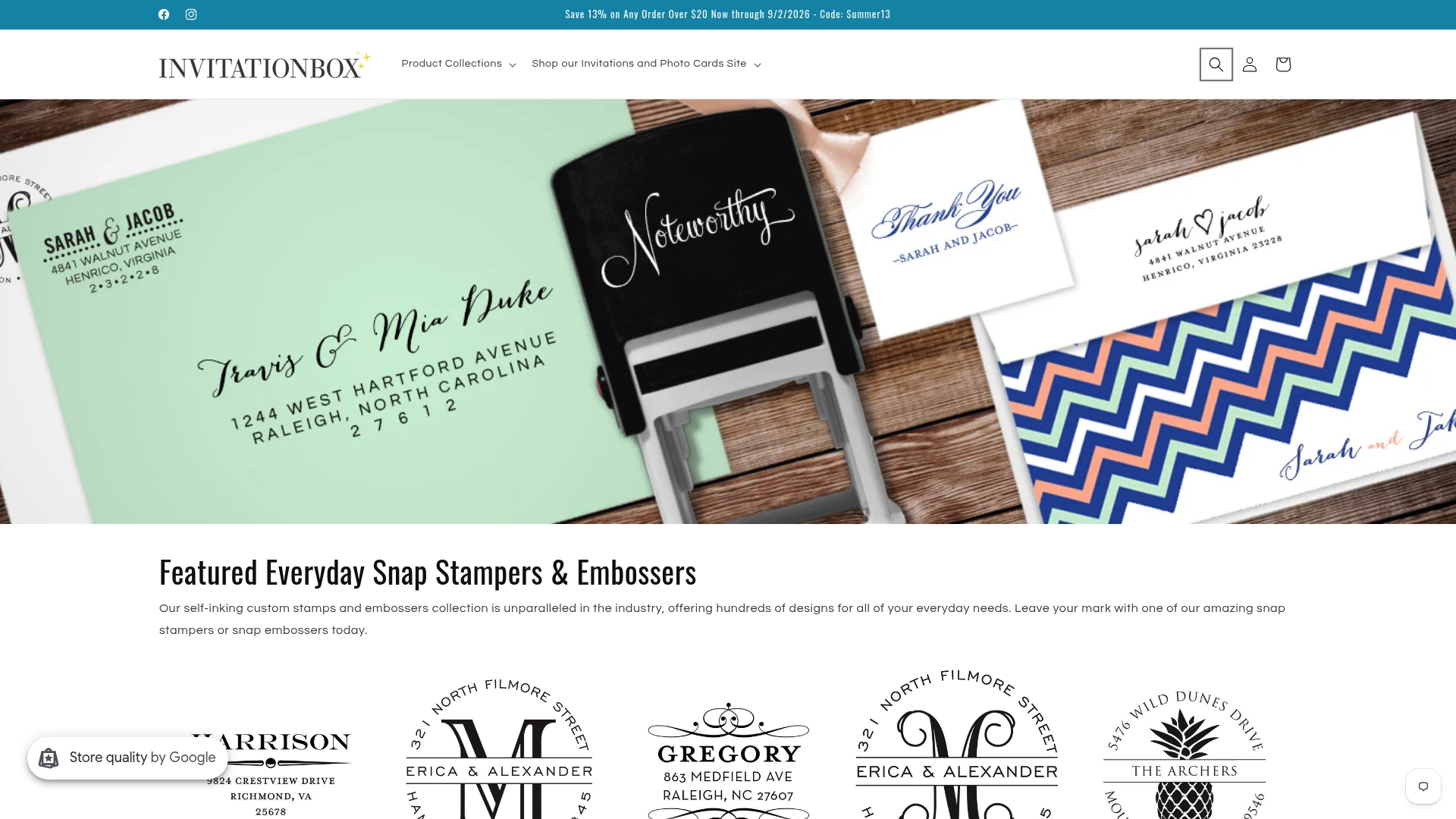
For a refined, timeless look, the Corner Scrolls Square Stamper or Embosser and Classic Scroll Square Stamper or Embosser both add a polished border detail to envelopes or card fronts. Want something more contemporary? The Modern Scroll Stamper or Embosser fits a minimalist stationery suite well. If your wedding leaned nautical or coastal, the Horseshoe Stamper or Embosser adds a fitting motif, while the playful Jolly Rogerette Stamper or Embosser suits a more casual, fun-loving couple. For a heavily decorative finish, try the Extra Ornamental Stamper or Embosser.
If you’d rather send a photo-based thank-you than a plain card, the Fun Holiday Confetti Photo Card and Believe Photo Card both work well for couples marrying around the holidays who want a festive, personal touch. Browse the Bright Swirls Personalized Notepad if you want a matching set for jotting quick notes during your writing sessions. Visit Invitationbox to view product pages and place an order in minutes.
Sources
- Wedding Thank You Card Wording: 40+ Examples for Every Gift & Guest
- Wedding Thank You Cards Wording Made Easy: Examples for Cash, Experiences, and More - Honeyfund Blog